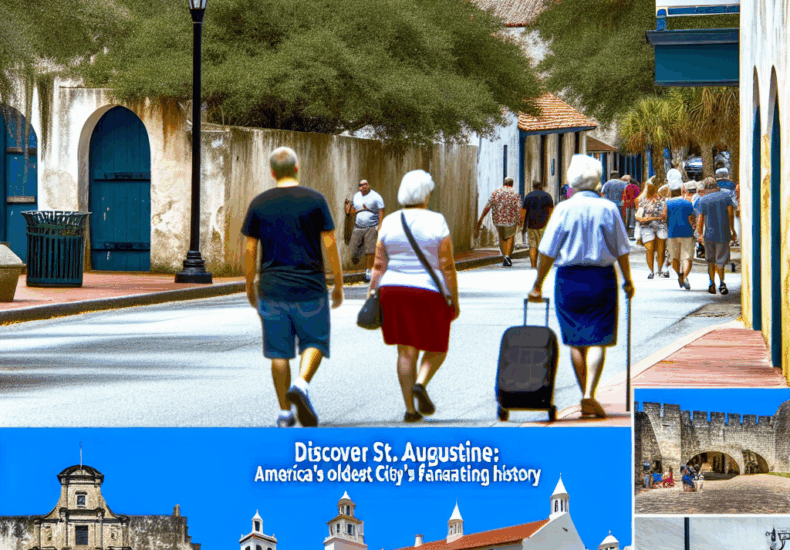
Discover St. Augustine: America’s Oldest City’s Fascinating History
Introduction
Welcome to a fascinating journey through 15 historical facts about St. Augustine, America’s oldest city. From its rich Spanish colonial heritage to its key role in shaping the history of Florida, St. Augustine is a treasure trove of stories waiting to be discovered. Join us as we delve into the past and uncover the incredible history of this historic city.
The Founding of St. Augustine
St. Augustine was founded on September 8, 1565, by Spanish explorer Don Pedro Menendez de Aviles. It holds the distinction of being the oldest continuously occupied European-established settlement within the borders of the continental United States. The city was established as a strategic military outpost and a base for Spanish expansion in the New World. Over the centuries, St. Augustine has witnessed significant historical events that have shaped its identity and character.
Spanish Influence on Architecture
The Spanish influence on St. Augustine’s architecture is unmistakable. The city is known for its well-preserved colonial buildings, narrow cobblestone streets, and historic fortifications. The iconic Castillo de San Marcos, a 17th-century Spanish fort made of coquina stone, stands as a testament to the city’s Spanish heritage. Visitors can explore the historic district and marvel at the architectural gems that reflect St. Augustine’s colonial past.
Role in American History
St. Augustine played a crucial role in shaping American history. During the American Revolution, the city served as a vital military outpost for the British. It was also a haven for loyalists fleeing from the northern colonies. In 1821, St. Augustine became a part of the United States as a result of the Adams-Onís Treaty between the U.S. and Spain. The city’s strategic location and rich history continue to attract history buffs and curious travelers from around the world.
Cultural Heritage and Attractions
St. Augustine is a vibrant cultural hub with a diverse array of attractions that showcase its rich heritage. Visitors can explore historic sites such as the Oldest House Museum Complex, the Lightner Museum, and the St. Augustine Lighthouse & Maritime Museum. The city also hosts annual events like the Nights of Lights festival, where millions of tiny white lights adorn the historic district, creating a magical atmosphere. St. Augustine’s cultural offerings provide a window into its past and present, making it a must-visit destination for history enthusiasts.
Conclusion
As we conclude our exploration of St. Augustine’s historical facts, we have only scratched the surface of this captivating city’s storied past. From its Spanish origins to its pivotal role in American history, St. Augustine stands as a living testament to the diverse tapestry of cultures that have shaped the United States. Whether you’re a history buff, architecture aficionado, or simply a curious traveler, St. Augustine offers a wealth of experiences waiting to be discovered. Come immerse yourself in the history, culture, and charm of America’s oldest city.